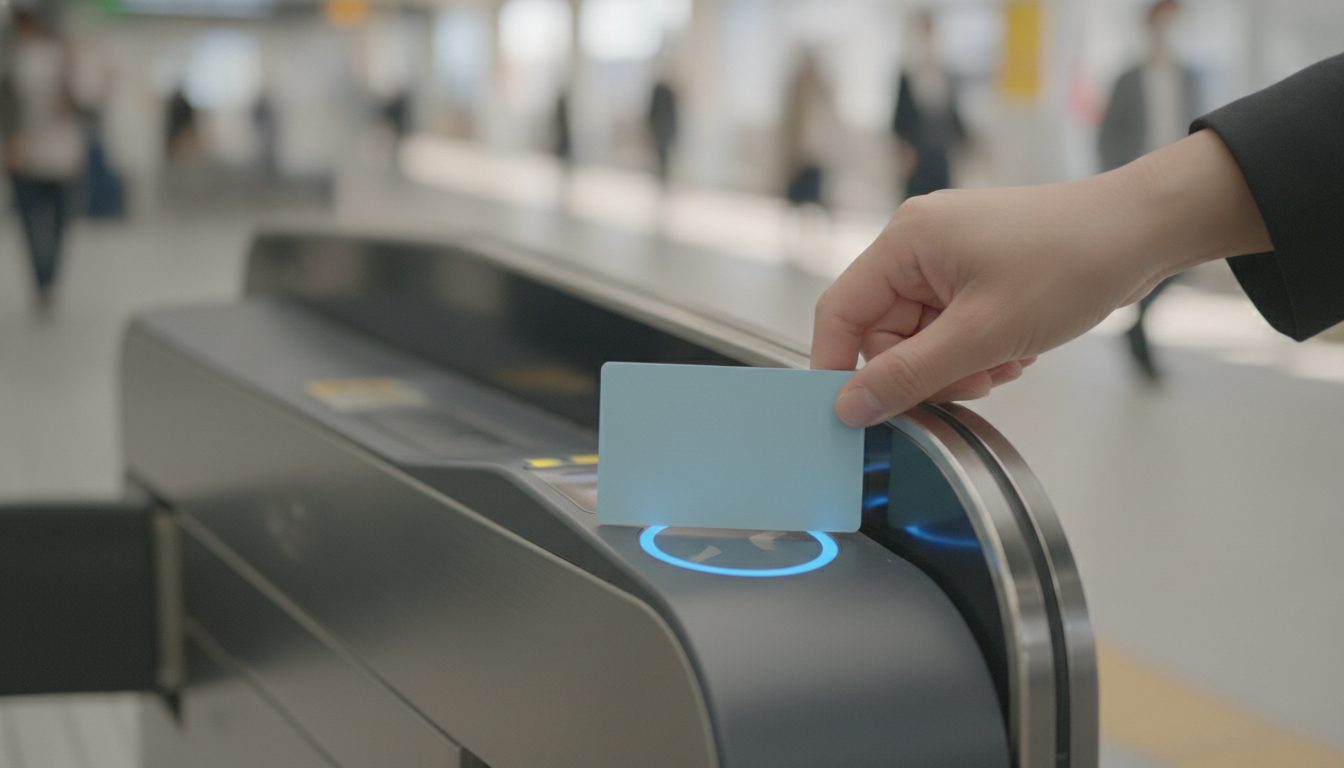
If you are planning a trip to Japan, an IC card is the easiest way to ride trains, subways, and many buses without buying a ticket each time. You tap the card on the reader at the gate, and the fare is deducted automatically. The confusing part is choosing one. Suica, PASMO, and ICOCA all exist, new visitor-only options have appeared in the past couple of years, and older guides are already out of date.
This guide explains which option fits which traveler, and where each one stops working. We have not bought or tested these cards ourselves. Everything below comes from the operators’ official pages (JR East, PASMO, JR West, JR Hokkaido, and Apple), last checked on October 12, 2026. Rules, sales locations, and prices can change, so check the official page before you buy.
Who this guide is for
- First-time visitors who want a simple way to get around Tokyo, Osaka, Kyoto, or Sapporo
- iPhone owners deciding between an app, Apple Wallet, and a physical card
- Android users who are not sure their phone will work
- Travelers who visit several cities and want one card for all of them
- Older travelers who would rather not work out ticket machines at every station
The short answer
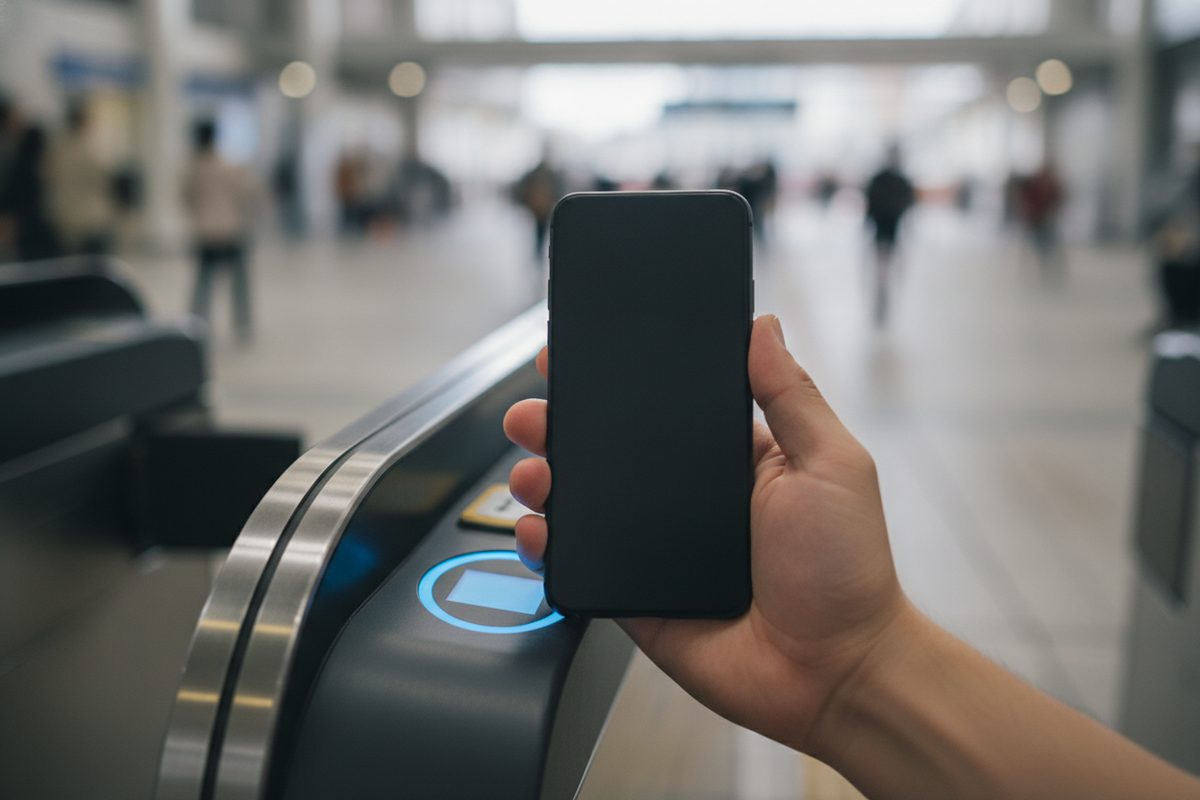
- You have an iPhone and want to set things up before you leave: try Welcome Suica Mobile, an app that issues a Suica to your phone before you travel. Check first that the app works from your country (see the section on the app below).
- You have an iPhone and would rather add a card straight to Apple Wallet: you can add Suica, PASMO, or ICOCA there if your setup meets Apple’s requirements.
- You have an Android phone: a physical card is the safer plan. JR East describes Welcome Suica Mobile as an app for iPhone and Apple Watch only, and we could not confirm that an Android phone bought outside Japan can hold a Suica.
- You are landing at Kansai Airport: the ICOCA card made for visitors is sold at the airport station.
- You land in Tokyo and want a physical card: Welcome Suica and TOURIST PASMO are the two visitor cards to know about.
One reassurance: you do not need a different card for every city. JR East says Suica works in the Tokyo area and on some transport in Sendai, Niigata, Hokkaido, western Japan, Kyushu, and other regions, and the Sapporo Tourist Association lists Suica, PASMO, ICOCA, and several other cards as usable in Sapporo. The catch is that you cannot ride continuously across the edge of an area (more on that below). The real differences between the visitor cards are where you can get them, how long they last, and whether you can get money back.
The options compared
| Option | Form | Valid for | Refund of leftover balance | Good for |
|---|---|---|---|---|
| Welcome Suica Mobile | App on iPhone or Apple Watch | 180 days from issue | No | iPhone users who want to set up before departure |
| Suica, PASMO or ICOCA in Apple Wallet | Digital card in Wallet | Not stated on Apple’s page | Not confirmed | iPhone users who prefer Wallet |
| Welcome Suica (card) | Physical card | 28 days, counted from the purchase date | No (except a malfunctioning card) | Short Tokyo-area trips |
| TOURIST PASMO | Physical card | 28 days, counted from the sale date | No (except a damaged card) | Short Tokyo-area trips, bought at the airport |
| Visitor ICOCA | Physical card | Not stated on JR West’s visitor page | ¥500 deposit, which JR West calls refundable; other refund rules not confirmed | Arrivals at Kansai Airport |
Welcome Suica Mobile (iPhone app)
This is an app from JR East that issues a Suica to your iPhone or Apple Watch. You can issue and top up the card in the app before leaving home, and it stays valid for 180 days after issue. The app is for users aged 13 and over, and it needs a device that supports Apple Pay. Leftover balance is not refunded and expires when the validity period ends.
JR East says you can also use the app to reserve seats on shinkansen and other reserved-seat trains, such as the Narita Express, through JR-EAST Train Reservation, paying by credit card and then tapping your phone at the gate. The same page warns that in some countries, local law restricts downloading the app or topping up, and that setup may have to wait until you arrive in Japan. The page does not name those countries, so check whether the app works from where you live before you rely on it.
Suica, PASMO or ICOCA in Apple Wallet
You can add a transit card in the Wallet app on your iPhone. According to Apple, you need an Apple Account with two-factor authentication, an eligible payment card in Wallet, and an iPhone 8 or later (iPhone 7 or later for Suica). On an Apple Watch, Apple says a Suica requires a watch that was purchased in Japan. The first transit card you add becomes your Express Mode card, so you can tap without unlocking your phone. Apple Pay is not offered to children under 13, though the age varies by country. Apple’s page does not say which payment cards issued abroad can add value, so make sure your card works before you travel.
If you only plan to visit once, Welcome Suica Mobile is built for that. Wallet may suit you better if you expect to return, but Apple’s page does not say how long a card stays valid, so check before you rely on it.
Welcome Suica (physical card)
This is a card for visitors. JR East sells it at JR East Travel Service Centers (including the airports at Narita and Haneda and stations such as Tokyo, Shinjuku, Shibuya, Ikebukuro, Ueno, Yokohama, and Sendai), at Welcome Suica ticket machines at the Narita and Haneda airport stations, and at a few other locations. JR East lists some station centers as temporarily not selling it, so check the current list. In principle, each person can buy one card.
You choose the starting amount: ¥1,000, ¥2,000, ¥3,000, ¥4,000, ¥5,000, or ¥10,000, with no separate deposit. The card is valid for 28 days counted from the purchase date, and the “GOOD THRU” date printed on the back is not the expiry date. You can top it up with cash in yen, but not with a credit card. Leftover balance is not refunded, apart from a refund for a card that malfunctions.
TOURIST PASMO
TOURIST PASMO is a prepaid card for visitors, sold only at Narita and Haneda airports. At Narita the only option is ¥2,000. At Haneda you can choose from ¥1,000 to ¥10,000, and the Haneda machines accept credit cards. There is no deposit. The card expires 28 days after the day it is sold, not after your first ride, and leftover balance is generally not refunded, except for a damaged card.
ICOCA for visitors (Kansai)
JR West sells an ICOCA card with a visitor design at the Midori-no-Madoguchi ticket office at Kansai Airport Station. You need a passport issued outside Japan and “Temporary Visitor” status, and each person can buy one card. It costs ¥2,000, which includes a ¥500 deposit. JR West’s page on the ICOCA & HARUKA package calls the ¥500 a refundable deposit. We could not find JR West’s rules for refunding leftover balance or any fee, so ask at the ticket office when you buy. JR West says ICOCA cannot be used on shinkansen trains. The pages we checked do not say whether you can top up by credit card or how child purchases work.
If you are heading from Kansai Airport to Kyoto or Osaka, JR West also sells ICOCA & HARUKA, a package that pairs a discounted ticket on the HARUKA airport train with an ICOCA. The discount covers trips from Kansai Airport to Tennoji, Shin-Osaka, and Kyoto. JR West’s page did not list the price, sales locations, or validity when we checked, so confirm them before you plan around it.
How to choose by phone and arrival airport
| Your situation | Suggested option |
|---|---|
| iPhone, want to set up before departure | Welcome Suica Mobile |
| iPhone, want Wallet convenience for repeat trips | Suica, PASMO or ICOCA in Apple Wallet |
| Android phone | A physical card |
| Landing at Narita or Haneda, want a card | Welcome Suica or TOURIST PASMO |
| Landing at Kansai Airport | Visitor ICOCA, or ICOCA & HARUKA |
Using one card in several cities
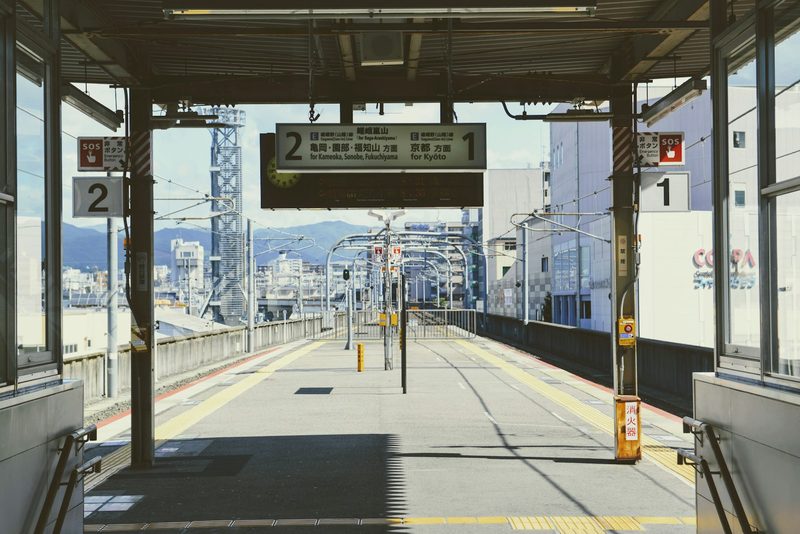
A card from one region can be tapped in many other regions, but there is one catch. JR East says you cannot use Suica to travel between areas, so a ride that leaves an IC card area needs a ticket bought in advance. This is the most common surprise on multi-city trips.
Hokkaido is a good example. JR Hokkaido says its IC card areas are the Sapporo-to-Asahikawa area and the Hakodate area, and that you cannot ride continuously between the two. You also cannot use an IC card to pay the fare from an IC station to a station outside the area, such as Furano, Niseko, Biei, Toya, or Obihiro, so buy a ticket before you board. Suica and other cards from outside the region work in the Kitaca area, with some exceptions.
Inside Sapporo, the Sapporo Tourist Association lists Kitaca, SAPICA, Suica, PASMO, ICOCA, and several other cards as usable, and says subway, streetcar, and city bus fares can be paid with them. For the airport bus from New Chitose Airport, Chuo Bus says IC cards work on its own buses but not on Hokuto Kotsu buses. If you are paying for more than one person or for a child fare, tell the driver before you tap. JR Hokkaido’s English page does not name the airport train line, so check at the station before you count on an IC card for that ride.
If you are building a trip around the Sapporo Snow Festival, see our guide to where to stay in Sapporo for the festival for getting around the city.
Common mistakes
- Expecting a refund. Welcome Suica, Welcome Suica Mobile, and TOURIST PASMO do not refund leftover balance, apart from malfunction or damaged-card cases, so top up in small amounts. For the visitor ICOCA, JR West calls the ¥500 deposit refundable; ask about leftover balance when you buy.
- Assuming the card covers the shinkansen. An IC card on its own cannot board a shinkansen, and JR West says ICOCA cannot be used on shinkansen trains. For JR East shinkansen, you can book a shinkansen e-ticket through JR-EAST Train Reservation and link it to your IC card, or buy a paper ticket at a machine.
- Crossing IC areas without a ticket. See the section above.
- Letting a 28-day or 180-day card run out. Welcome Suica and TOURIST PASMO count 28 days from the day you buy them, so the clock starts at purchase, not at your first ride. Check the validity before a second trip or a long stay.
- Topping up Welcome Suica with a credit card. It takes cash in yen only.
- Buying the wrong card for your arrival airport. The visitor ICOCA is sold at Kansai Airport Station only, and TOURIST PASMO is sold only at Narita and Haneda.
- Assuming every bus takes IC cards. On the New Chitose Airport bus, only Chuo Bus accepts them.
FAQ
Can I use a Tokyo Suica in Osaka or Kyoto?
Generally yes. JR East lists western Japan among the regions where Suica works on some transport. Just do not ride continuously across the edge of an IC area.
Do I need my passport to buy a card?
For the visitor ICOCA, yes: JR West asks for a passport issued outside Japan and Temporary Visitor status. For adults buying Welcome Suica or TOURIST PASMO, the official pages we checked do not state an ID requirement. For the child versions of both cards, you must show the child’s passport or other official ID.
Can I use an IC card on the shinkansen?
Not on its own. For JR East shinkansen, book a shinkansen e-ticket through JR-EAST Train Reservation (the Welcome Suica Mobile app can do this) and link it to your IC card, or buy a paper ticket. JR West says ICOCA cannot be used on shinkansen trains.
What about children aged 6 to 10?
Welcome Suica and TOURIST PASMO both have child versions. To buy one, show the child’s passport or other official ID. A child card works until the March 31 after the child’s 12th birthday, and JR East says that using a Welcome Suica child card after that date means paying the adult fare plus a penalty. Welcome Suica Mobile is for users aged 13 and over, and Apple Pay is not offered to children under 13. We could not find child rules for the visitor ICOCA.
What happens to leftover balance?
It depends on the card, as shown in the table above. Spend it down before you leave. If you want the best chance of getting something back, ask JR West about the ICOCA deposit and balance when you buy.
Comments are closed